


Experiential Marketing Ideas That Actually Drive Engagement
 February 6, 2026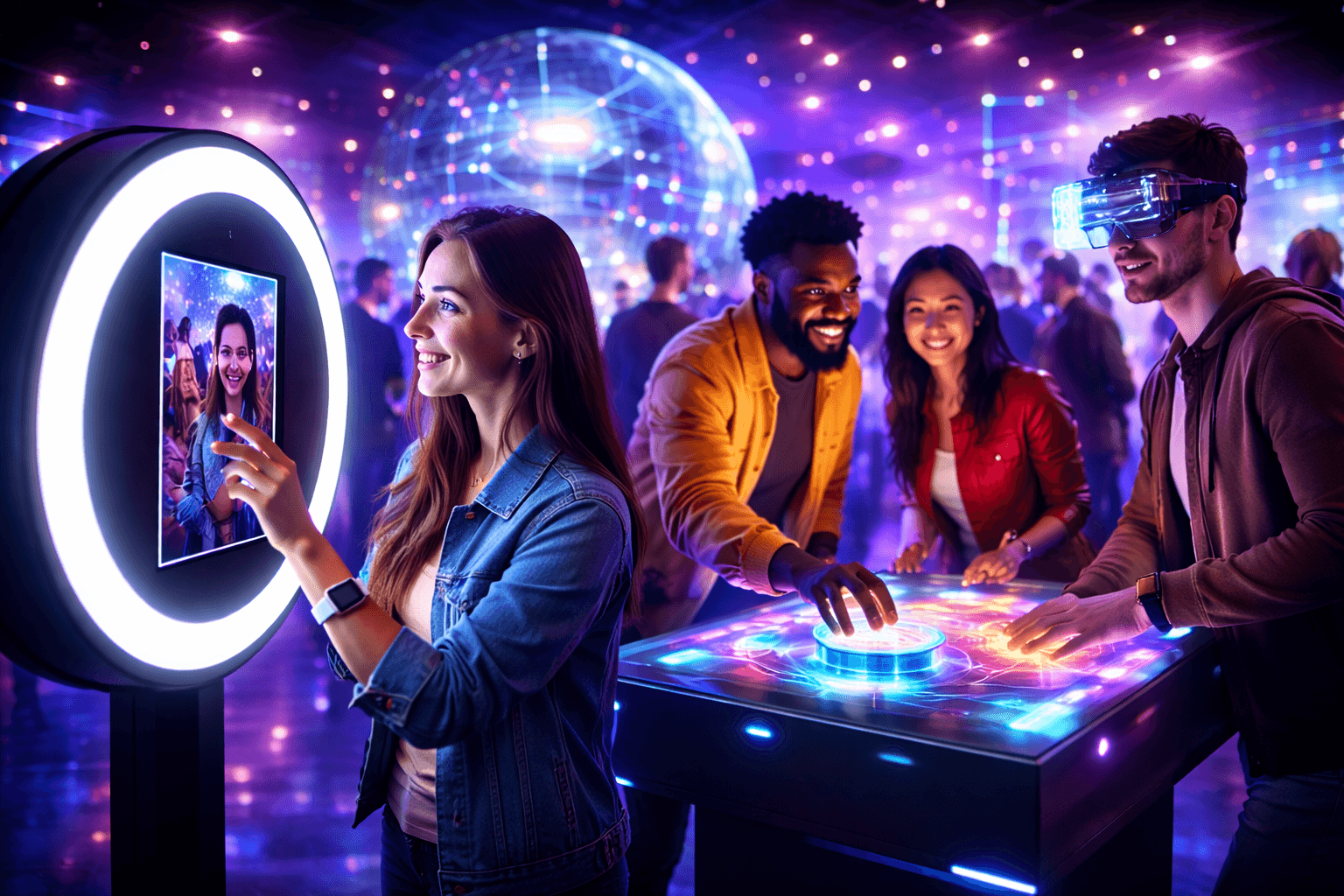
Experiential marketing is everywhere. Engagement is not.
Brands don’t lose because they lack ideas. They lose because their ideas don’t change behavior, generate data, or move audiences closer to a decision. Engagement is not people looking at your activation. Engagement is people doing something meaningful with your brand.
Here are experiential marketing ideas that actually drive engagement, backed by outcomes, not aesthetics.
Interactive Installations That Demand Participation
Passive experiences don’t engage. Interaction does.
Interactive walls, floors, and screens turn audiences from observers into participants. When people control the experience, they stay longer, remember more, and share organically.
What works:
Touch-based or motion-driven installations
Multi-user interactions that encourage social participation
Gamified challenges with instant feedback
Why it drives engagement:
Interactivity increases dwell time, emotional investment, and brand recall. It also generates measurable data like interaction rate and session duration.
Gamified Brand Experiences With Clear Objectives
Games work because they are structured engagement, not random fun.
Successful experiential games are simple, competitive, and purpose-built around a brand message or product benefit.
Effective formats include:
Score-based challenges
Timed competitions
Reward-driven gameplay
Why it drives engagement:
Gamification triggers repeat interaction, social sharing, and measurable performance metrics. It transforms attention into action.
Personalized Experiences Powered by Data
Generic experiences blend into the noise. Personalized ones stop people.
Personalization can be as simple as name-based content or as advanced as AI-driven recommendations, avatars, or adaptive visuals.
Examples:
Personalized product suggestions
Custom visuals based on user input
AI avatars or smart mirrors
Why it drives engagement:
Personalization increases relevance. Relevance increases emotional connection and conversion likelihood.
Social-First Activations Built for Sharing
If it doesn’t get shared, it didn’t fully engage.
Experiences should be designed with social platforms in mind from day one, not added as an afterthought.
What works:
Shareable moments with clear visual identity
Instant content generation (photos, videos, GIFs)
Brand-integrated social prompts
Why it drives engagement:
Social sharing extends reach beyond the physical space and turns participants into brand advocates.
Immersive Brand Storytelling Experiences
Engagement deepens when audiences step into a story instead of being told one.
Immersive experiences use spatial design, technology, and narrative to communicate brand values and product benefits.
Common formats:
Walkthrough brand journeys
Projection-mapped environments
Multi-sensory installations
Why it drives engagement:
Story-driven experiences improve memory retention and emotional resonance, which directly impacts brand perception.
Phygital Experiences That Connect Online and Offline
The best experiential marketing doesn’t end when the event ends.
Phygital experiences connect physical activations with digital follow-ups through QR codes, microsites, apps, or CRM integration.
Examples:
Scan-to-continue experiences
Digital rewards or content unlocked after participation
Lead capture integrated into the experience
Why it drives engagement:
It extends the lifecycle of the campaign and converts engagement into long-term value.
Outcome-Driven Experiences With Measurable ROI
Engagement without measurement is entertainment, not marketing.
High-performing experiential campaigns are designed with KPIs from the start.
Metrics that matter:
Dwell time
Interaction rate
Leads captured
Social reach
Post-event conversions
Why it drives engagement:
Measurement forces clarity. Clarity leads to better design, better experiences, and better results.
Why These Experiential Marketing Ideas Convert
The difference between forgettable activations and high-impact experiential marketing is intent.
The ideas that drive engagement:
Require participation
Deliver value to the audience
Support business objectives
Generate measurable outcomes
Brands don’t need more ideas. They need better execution backed by strategy.

